

Rancho Cucamonga is a town experiencing a remarkable transformation, with an variety of construction innovations shaping its landscape. As the demand for residential, business, and manufacturing spaces continues to increase, builders and developers are embracing new techniques and strategies to meet the distinct challenges of this vibrant community. From tailored asphalt contractors Rancho Cucamonga located in the foothills to large-scale commercial tenant improvements along Haven Blvd and Foothill Ave, the construction scene in this area is as varied as it is intriguing.
Navigating the challenges of building permits and plan checks in Rancho Cucamonga can be daunting, but grasping the local regulations and developments can greatly enhance the process. With a emphasis on sustainability, resilience, and compliance, projects are evolving to incorporate high-level standards like fire resistance and energy compliance, ensuring that new structures not only meet visual goals but are also safe and environmentally friendly. As we explore further into the construction advancements in Rancho Cucamonga, we will explore various aspects, from grading and geotechnical assessments in Alta Loma to state-of-the-art commercial renovations near Victoria Gardens, highlighting the factors that are advancing the industry forward in this prosperous Inland Empire city.
Constructing Permits and Plan Checks in Rancho Cucamonga
Maneuvering the procedure of acquiring construction licenses and plan reviews in Cucamonga can be a vital first step for any building endeavor. The city mandates multiple licenses depending on the scope of labor, whether home-based or commercial, to guarantee compliance with municipal codes and safety standards. Applicants should familiarize themselves with the specific criteria outlined by the Town of Cucamonga, as these can differ based on the type of construction and its proposed function.
Once the initial submission is turned in, detailed plans must be evaluated through the plan review process. This entails extensive scrutiny by municipal authorities to confirm that all designs meet zoning laws, building codes, and ecological requirements. This phase is crucial in avoiding future litigation and ensuring that endeavors adhere to safety and livability standards. Understanding the common causes for plan review delays can assist applicants accelerate the procedure and prevent unnecessary delays.
It is also crucial to be aware of the deadlines involved in acquiring these permits. The length of the permit procedure can vary widely depending on the complexity of the project and the current workload of city staff. Working with a experienced regional contractor or design professional can greatly improve the efficiency of this process, as they often have expertise in dealing with the local licensing and inspection teams, assisting clients navigate any obstacles that arise.
Construction Developments and Costs in Rancho Cucamonga
In Rancho Cucamonga, the development of construction trends reflects a growing emphasis on sustainability and advancement. As the city continues to expand, builders are increasingly adopting sustainable building methods, which include energy-efficient designs and materials, as well as incorporating solar-ready roofing systems in new constructions. These methods not only comply with California Title 24 energy regulations but also respond to the demand for more sustainable developments. The shift towards sustainable construction is clear in both residential and commercial projects, with many developers seeking incorporate eco-friendly elements right from design phase.
The costs associated with building in Rancho Cucamonga vary significantly depending on the type of project. For custom home construction, homeowners can expect costs to be influenced by factors such as zoning regulations, site preparation, and the choice of materials. Additionally, there has been a remarkable trend in the building of accessory dwelling units (ADUs) that aligns with the city’s efforts to address housing shortages. As couples and families look for multi-generational living solutions, grasping the zoning, setbacks, and permit rules becomes essential in estimating the overall budget for constructing an ADU.
Commercial construction, particularly along key corridors such as Haven Avenue and Foothill Boulevard, has also witnessed investment in tenant improvements and modernized workspace build-outs. With the increase in e-commerce, there is a growing need for logistics centers, leading to an increase in tilt-up warehouse and industrial construction. The demand for flexible commercial spaces is reflected in the fierce bidding environment for contractors, where businesses must compare bids from general contractors carefully to ensure they are getting the best value without sacrificing on quality. Overall, awareness of overlooked expenses and managing construction schedules becomes essential for successful project completion in this ever-changing environment.
Eco-friendly Practices and Innovations in Local Building
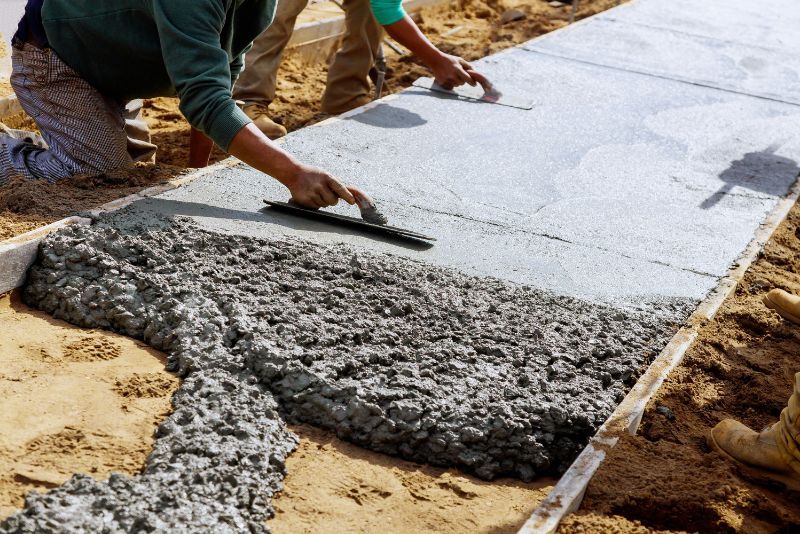
Green construction is gaining traction in Rancho Cucamonga, showing a increasing awareness of the environment and resource conservation. Builders are now adopting sustainable building methods that emphasize energy efficiency, minimizing waste, and sustainable materials. Using reclaimed General engineering Rancho Cucamonga and advanced technologies helps reduce waste and reduces the carbon footprint of construction projects, ensuring that projects comply with local regulations but also contribute to a healthier community.
Innovative practices such as solar-equipped roofing and the integration of EV charging infrastructure are more and more common in new developments. These elements not only align with California's progressive energy regulations but also enable homeowners and businesses to reduce their energy costs and reliance on fossil fuels. As the region continues to expand, adopting these advancements will be essential in shaping a sustainable built environment that serves the neighborhood.
Furthermore, local building companies are emphasizing the importance of preventing stormwater pollution and proper site drainage in their projects. By effectively managing runoff and making certain that construction sites follow environmental regulations, builders in Rancho Cucamonga are supporting broader efforts to protect local waterways and boost community resilience against water-related issues. This dedication to sustainability signals a new era of environmentally-conscious construction that balances both progress and preservation.